Streamlining Financial Processes: The Rise of Electronic Payments in Accounting
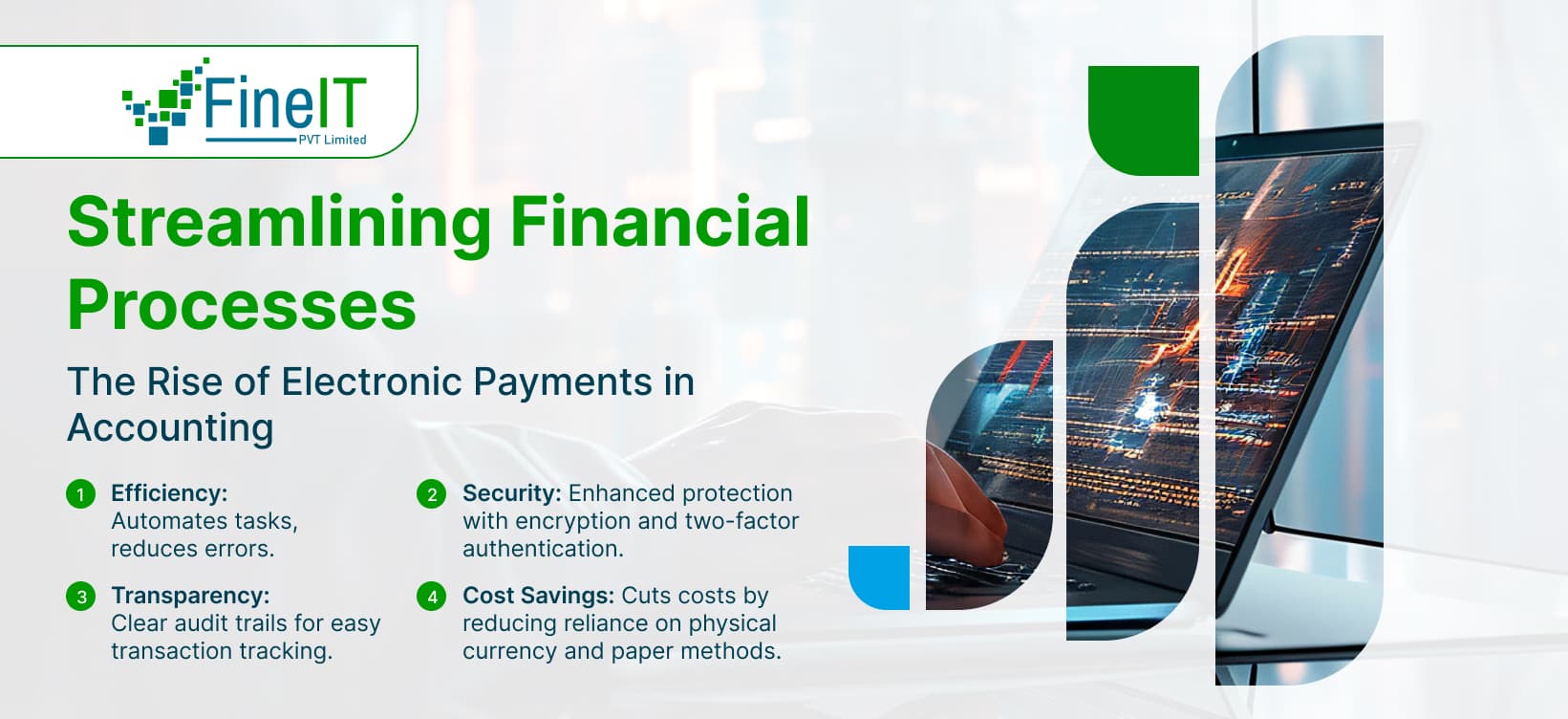
The world of accounting is undergoing a significant transformation, driven by technological advancements and the need for greater efficiency. Electronic payments have emerged as a game-changer in this space, offering a faster, more secure, and more transparent way to manage financial transactions. In this article, we’ll explore the benefits of electronic payments in accounting and how they’re revolutionizing the way businesses operate.
Why Are Businesses Shifting to Electronic Payments?
The traditional paper-based payment system has long been the norm in accounting. However, with the advent of digital technology, electronic payments have become increasingly popular. This shift is driven by the need for speed, security, and convenience. Electronic payments offer real-time transactions, reduced processing times, and enhanced security features, making them an attractive option for businesses.
What Are the Benefits of Electronic Payments in Accounting?
- Improved Efficiency: Electronic payments automate many tasks, reducing manual errors and freeing up staff to focus on more strategic activities.
- Enhanced Security: Electronic payments offer advanced security features, such as encryption and two-factor authentication, to protect sensitive financial information.
- Increased Transparency: Electronic payments provide a clear audit trail, making it easier to track transactions and manage financial records.
- Cost Savings: Electronic payments reduce the need for physical currency, checks, and other paper-based payment methods, resulting in significant cost savings.
How Did Vision Investments Limited Benefit from Electronic Payments?
Vision Investments Limited, a leading public listed company on the Fiji Stock Exchange, recently implemented electronic payments in their accounting system. By partnering with FineIT, they successfully automated their financial transactions, resulting in improved efficiency, enhanced security, and significant cost savings.
What Does the Future Hold for Electronic Payments in Accounting?
The adoption of electronic payments in accounting is no longer a luxury but a necessity. As businesses continue to navigate the complexities of financial management, electronic payments offer a streamlined solution that improves efficiency, security, and transparency. Join the digital transformation and discover the benefits of electronic payments for your business.
What Is Estimator9?
In addition to electronic payments, FineIT offers Estimator9, a cutting-edge IFRS9 solution for calculating Expected Credit Losses (ECL). Estimator9 ensures compliance with regulatory standards while providing robust, automated calculations that enhance financial accuracy and efficiency. By integrating Estimator9 with your financial processes, you can further streamline operations and maintain a strong financial position.
Ready to Streamline Your Financial Processes?
Contact FineIT to learn more about implementing electronic payments and Estimator9 in your accounting system.
How can you contact sales at FineIT?, How can you get more information from FineIT?
Frequently Asked Questions
About FineIT Private Limited
FineIT Private Limited is a leading Fintech provider.
Published by
Muzammal Rahim
FineIT Private Limited — IFRS and Basel compliance software, incorporated in Islamabad, Pakistan, in April 2022,